Oral Surgery Procedures Expert Surgical Care with Biological Healing Protocols in Rockville & North Bethesda
From extractions to bone grafting, Natural Dentist Associates provides comprehensive oral surgery with advanced techniques and biological healing support throughout Rockville, Bethesda, and the DC metro area.
Oral surgery encompasses diverse procedures addressing infections, trauma, pathology, and preparation for restorative treatment. Proper surgical technique combined with biological healing protocols ensures optimal outcomes, minimal complications, and rapid comfortable recovery. Our expertise spans routine extractions to complex reconstructive procedures.
At Natural Dentist Associates, we provide complete oral surgery services using advanced imaging, precise surgical technique, appropriate sedation options, and comprehensive biological healing protocols. Our approach minimizes trauma, supports natural healing mechanisms, and uses biocompatible materials throughout treatment.
We incorporate cutting-edge approaches including:
Our comprehensive post-operative care optimizes healing through PRF placement supporting tissue regeneration, ozone therapy preventing infection, biocompatible sutures when needed, detailed nutritional guidance, and close post-operative monitoring. These protocols minimize pain, swelling, and complications while promoting rapid healing.
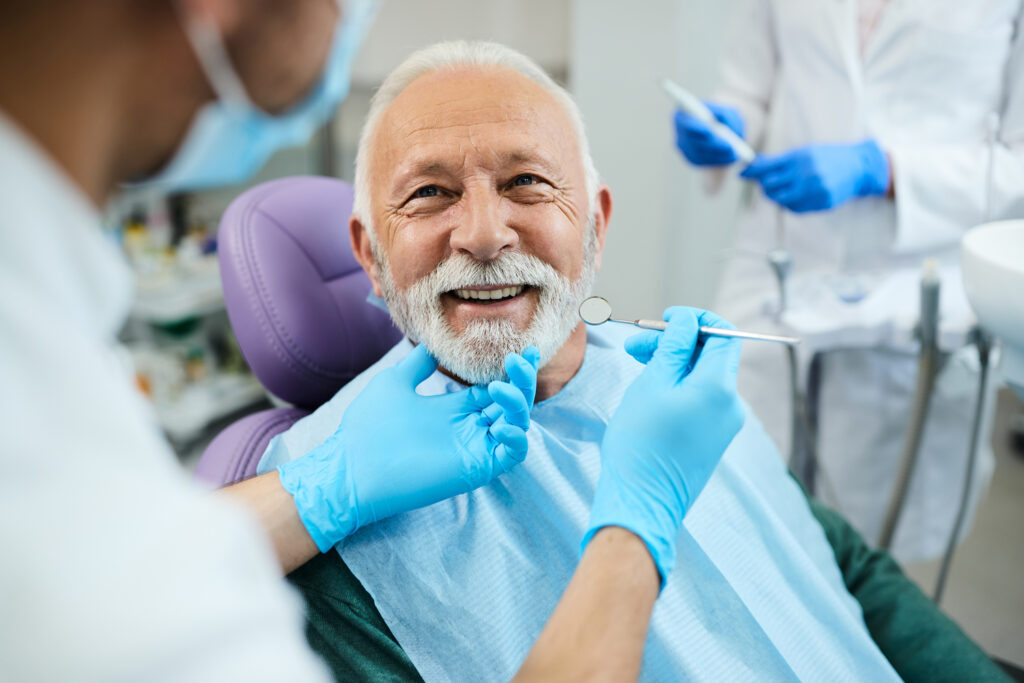
Real experiences from patients who chose us for oral surgery
I was called in for my appointment right on time and my treatment was exemplary in every way. All the staff is friendly and accommodating and Dr. Brow…
I was called in for my appointment right on time and my treatment was exemplary in every way. All the staff is friendly and accommodating and Dr. Brown made me feel comfortable and secure. She took care of my needs quickly and gently. A very pleasant experience!
READ MOREDr. Baer is an excellent dentist. Accessible, helpful, does everything to make you comfortable and very professional. She does excellent work and …
Dr. Baer is an excellent dentist. Accessible, helpful, does everything to make you comfortable and very professional. She does excellent work and runs her practice efficiently and professionally.
READ MOREAmazing service and so many holistic and natural optional for oral care. Our new dental home for me and my boys
Fantastic experience. Very professional
I am so grateful I learned about Dr. Baer from my chiropractor. My dental needs were not met by my prior general dentists , whose team only approached…
I am so grateful I learned about Dr. Baer from my chiropractor. My dental needs were not met by my prior general dentists , whose team only approached by dental care focused on six month cleanings, and no sign of cavities. Dr. Baer addressed my exam holistically, which is what I wanted but could not easily find from other dentists I was referred to. She diagnosed and treated my adult lip and tongue frenum constraints that in my generation were not recognized as they are today by this generation of pediatric dentists. I live in Northern Virginia but am happy to make the commute to their offices in Maryland for the best care. I am also working with a MYO Professional, Sarah, who has guided me through mouth exercises before and after my frenumectomies. I realize now how especially beneficial functional dentistry is, and I wish these dentists were more available and discoverable.
READ MOREDr Tipograph was outstanding in her presentation on what the procedure will entail and continued to assure me during the procedure . Her professiona…
Dr Tipograph was outstanding in her presentation on what the procedure will entail and continued to assure me during the procedure . Her professional and personal attitude made my visit enjoyable and pain free
READ MOREWe provide comprehensive oral surgery services addressing diverse needs. Tooth extractions include simple removal of visible teeth, surgical extraction of impacted or broken teeth, wisdom teeth removal, and emergency extraction of infected teeth. Bone procedures include bone grafting for implant preparation, ridge preservation after extraction, sinus lift procedures, and socket grafting. Soft tissue surgery encompasses gum grafting for recession coverage, frenectomies releasing restrictive tissue, tissue recontouring for esthetics or function, and biopsy of suspicious lesions. Pre-prosthetic surgery includes alveoloplasty smoothing bone irregularities, removing bony prominences, and preparing ridges for dentures. We also perform exposure of impacted teeth for orthodontics, removal of cysts or tumors, and treatment of jaw infections. Each procedure uses advanced techniques, appropriate anesthesia or sedation, and comprehensive biological healing protocols. We provide thorough consultation explaining procedure details, expected outcomes, and recovery timeline helping patients make informed decisions about treatment.
Several conditions may require surgical intervention. Common indications include teeth too damaged to restore with fillings or crowns, impacted wisdom teeth causing pain or infection, infected teeth not responding to root canal treatment, severe gum disease causing bone loss and tooth mobility, inadequate bone for dental implants requiring grafting, orthodontic treatment requiring exposure or removal of impacted teeth, cysts or tumors requiring biopsy or removal, jaw trauma requiring repair, and severe tooth crowding requiring extraction before orthodontics. Symptoms suggesting need include persistent tooth pain unresponsive to treatment, swelling or infection around teeth or gums, difficulty chewing or biting, jaw pain or clicking, and loose or shifting teeth. We provide comprehensive evaluation including clinical examination, 3D cone beam imaging when appropriate, and discussion of all treatment options. Not all problems require surgery—we explore conservative options first, recommending surgery only when necessary for optimal long-term outcomes. Our goal is preserving natural teeth whenever possible while addressing issues that threaten oral health.
We offer multiple sedation levels ensuring comfort for all anxiety levels and procedure complexity. Local anesthesia alone (numbing injection) suffices for simple procedures in comfortable patients. Nitrous oxide (laughing gas) adds relaxation while maintaining full consciousness, wears off quickly allowing driving home, and combines with local anesthesia. Oral conscious sedation involves medication taken before appointment creating relaxed drowsy state, requires someone to drive you, and provides amnesia for procedure in many cases. IV sedation delivers deeper sedation with rapid onset and precise control, requires monitoring and recovery time, needs someone to accompany you, and offers most comfortable experience for complex surgery or severe anxiety. We discuss options during consultation considering procedure complexity, anxiety level, medical history, and personal preference. Our experienced team monitors patients continuously ensuring safety. Sedation allows completion of extensive surgery in single appointment avoiding multiple visits. We provide detailed pre-operative and post-operative instructions for each sedation type ensuring smooth comfortable experience and optimal outcomes.
Bone grafting rebuilds lost or deficient bone supporting teeth or dental implants. After tooth loss, bone naturally resorbs—losing up to 25% of width in first year and continuing gradually. Grafting prevents this loss or rebuilds bone for implant placement. Socket grafting immediately after extraction preserves bone preventing collapse, creates ideal foundation for future implant, and maintains facial structure and adjacent teeth position. Ridge augmentation rebuilds severely deficient areas increasing bone width and height for implant placement or improving denture support. Sinus lift procedures add bone in upper back jaw where sinus cavity limits implant placement. Materials used include your own bone (autograft) from jaw or other sites providing best results, donor bone (allograft) from tissue banks thoroughly processed for safety, synthetic bone substitutes (alloplast) avoiding second surgical site, or combinations optimizing healing. Our biological approach incorporates platelet-rich fibrin (PRF) from your blood dramatically accelerating healing and bone formation. Most grafts heal 4-6 months before implant placement. Success rates exceed 95% with proper technique and patient compliance.
Recovery varies based on procedure extent and individual healing. Simple extractions involve 3-5 days for soft tissue healing, 2-3 weeks for socket filling, and 2-3 months for complete bone healing. Return to normal activity often occurs within 1-2 days. Surgical extractions or wisdom teeth require 5-7 days for initial healing, 1-2 weeks for comfortable eating, and 2-4 weeks for complete soft tissue healing. Most patients return to work/school within 2-4 days. Bone grafting involves 7-10 days for incision healing, 2-4 weeks for comfortable function, and 4-6 months for bone maturation before implant placement. Initial restrictions last 1-2 weeks. Multiple extractions or extensive surgery may require 1-2 weeks for comfortable function. Our biological protocols using PRF and ozone significantly accelerate healing compared to conventional approaches. Factors affecting recovery include procedure extent, surgical technique, individual healing capacity, smoking status (dramatically impairs healing), age and health status, and compliance with post-operative instructions. We provide comprehensive aftercare instructions and remain available for questions or concerns ensuring smooth recovery.
Understanding normal healing helps manage expectations and recognize complications. First 24 hours expect some bleeding controlled with gauze pressure, numbness wearing off 2-6 hours after surgery, moderate discomfort managed with prescribed medication, swelling beginning, and diet restricted to soft cool foods. Days 2-4 involve swelling peaking then improving, discomfort decreasing, bruising possibly appearing (normal), gradual diet advancement, and careful oral hygiene avoiding surgical sites. Days 5-7 show significant improvement with swelling mostly resolved, discomfort minimal, diet approaching normal, and gentle brushing near surgical areas. Weeks 2-4 complete soft tissue healing, gradual return to all normal activities, and diminishing sensitivity. Normal findings include mild swelling and bruising, slight oozing first day, temporary numbness or tingling, jaw stiffness, and white healing tissue in socket. Warning signs requiring contact include excessive bleeding uncontrolled by pressure, severe pain unrelieved by medication, fever over 101°F, difficulty swallowing or breathing, and swelling increasing after day 3. We provide detailed written instructions and emergency contact information ensuring support throughout recovery.
Patients throughout Rockville, Bethesda, Montgomery County, and Northern Virginia choose us for oral surgery combining surgical expertise with biological healing protocols. Our convenient Rockville location off I-270 and I-495 provides easy access throughout the DC metro area. Our comprehensive approach includes advanced 3D cone beam imaging for precise surgical planning, experienced surgical technique minimizing trauma, platelet-rich fibrin (PRF) therapy accelerating healing, ozone treatment preventing infection naturally, biocompatible materials in all procedures, multiple sedation options ensuring comfort, and thorough pre-operative and post-operative care. Our biological dentistry philosophy means supporting your body’s healing capacity rather than suppressing it. Many patients appreciate our conservative approach preserving teeth when possible, gentle surgical technique, emphasis on patient comfort and safety, thorough explanations and education, and comprehensive follow-up care. We coordinate with referring dentists ensuring seamless care. Our post-operative support includes detailed instructions, available phone consultation, and prompt attention to concerns ensuring smooth comfortable recovery with optimal outcomes.
Platelet-rich fibrin (PRF) uses your own blood’s healing factors accelerating recovery and improving outcomes. The process involves drawing small blood sample (similar to lab work), spinning in specialized centrifuge separating components, and creating fibrin matrix rich in platelets, growth factors, and white blood cells. Benefits include dramatically accelerated soft tissue and bone healing, reduced post-operative pain and swelling, decreased infection risk through concentrated white blood cells, improved bone formation for grafting procedures, and natural approach using your body’s healing mechanisms. PRF releases growth factors over 7-10 days providing sustained healing stimulus. Applications include placement in extraction sockets preventing dry socket and promoting healing, mixing with bone graft materials enhancing bone formation, covering surgical sites as protective membrane, and treating jaw bone infections (osteonecrosis). Studies show PRF significantly reduces complications, decreases pain medication needs, and accelerates return to normal function. This completely natural therapy has no risk of rejection or disease transmission. Our routine use of PRF represents commitment to biological healing protocols providing superior outcomes compared to conventional surgery alone.
While generally safe, oral surgery carries potential complications. Common issues include dry socket (2-5% of extractions) causing delayed severe pain, temporary numbness if nerves contacted during surgery, infection requiring antibiotics, excessive bleeding (rare with proper technique), and jaw stiffness resolving over days to weeks. Rare but serious complications include permanent nerve damage affecting sensation (less than 1% risk), jaw fracture in extensive surgery, sinus communication with upper tooth extraction, and prolonged healing issues. Bone grafting specific risks include graft failure or displacement, infection, and membrane exposure. Risk factors increasing complications include smoking dramatically impairing healing, poor oral hygiene, certain medications (bisphosphonates, blood thinners), medical conditions (diabetes, immune disorders), and inadequate post-operative care. Our approach minimizes risks through careful pre-operative assessment, advanced imaging for surgical planning, meticulous technique, biological healing protocols (PRF, ozone), and comprehensive post-operative care and monitoring. We thoroughly discuss individual risk factors and prevention strategies. Benefits of necessary surgery typically far outweigh risks when proper technique and protocols are followed.
Proper preparation ensures smooth surgery and optimal recovery. Pre-operative requirements include arranging transportation if receiving sedation (cannot drive for 24 hours), filling prescribed medications before surgery, preparing soft foods for recovery, and arranging time off work/school as recommended. Day of surgery guidelines include following fasting instructions if receiving sedation (typically nothing to eat/drink 6-8 hours before), taking prescribed pre-medications as directed, wearing comfortable loose clothing, removing contact lenses and jewelry, and arriving with responsible adult if receiving sedation. Medication management involves informing us of all medications and supplements, following specific instructions for blood thinners or other medications, and avoiding aspirin/ibuprofen before surgery unless directed. Health considerations include notifying us of any illness or health changes, disclosing all allergies, and updating medical history. We provide detailed written pre-operative instructions during consultation. Following these guidelines ensures your safety and optimal surgical conditions. Contact us immediately if questions arise or health status changes before scheduled surgery.
Post-operative diet supports healing while avoiding surgical site disruption. First 24-48 hours stick to cold soft foods including ice cream, yogurt, smoothies (no straws), protein shakes, mashed potatoes, pudding, and applesauce. Cold foods help reduce swelling. Avoid hot foods, hard crunchy items, spicy acidic foods, alcohol, small seeds or grains, and using straws (suction can dislodge clots). Days 3-7 advance to lukewarm soft foods adding scrambled eggs, oatmeal, pasta, tender fish, well-cooked vegetables, and soups. Continue avoiding hard sharp foods. After first week gradually reintroduce normal diet as comfort permits. Surgical areas may remain sensitive for several weeks. Important guidelines include chew on opposite side if possible, stay well-hydrated with water, maintain good nutrition supporting healing, avoid tobacco and alcohol which impair healing, and take small bites and chew slowly. Nutritious healing foods include high-protein items supporting tissue repair, vitamin C-rich fruits and vegetables promoting healing, anti-inflammatory omega-3 fatty acids, and bone broth providing minerals and amino acids. We provide specific dietary recommendations based on procedure extent and individual needs.
Proper home care prevents complications and promotes healing. First 24 hours avoid disturbing surgical area, gently bite gauze 30-45 minutes if bleeding, apply ice packs 20 minutes on/off reducing swelling, take prescribed medications as directed, and rest with head elevated. Do not rinse, spit vigorously, or use straws. After 24 hours begin gentle warm salt water rinses (1/2 tsp salt in 8 oz water) 4-5 times daily especially after eating, continue ice first 48 hours then switch to warm compresses if swelling persists, brush teeth carefully avoiding surgical sites, and advance diet as comfort permits. Ongoing care involves gradually resuming normal brushing and flossing, continuing rinses until healing complete, avoiding tobacco which severely impairs healing, attending all follow-up appointments, and contacting us with concerns. Warning signs include excessive bleeding, severe increasing pain, fever, difficulty swallowing, and swelling worsening after day 3. Our biological protocols including PRF placement and ozone therapy significantly reduce complications. We provide detailed written instructions and remain available for questions ensuring you feel supported throughout recovery process for optimal healing outcomes.
Appropriate follow-up ensures proper healing and addresses any concerns. Routine follow-up typically occurs 7-10 days after surgery for suture removal if needed, evaluation of healing progress, assessment for any complications, and addressing questions or concerns. Earlier follow-up may be needed for complex procedures, concerning symptoms, or individual circumstances. Additional monitoring includes 2-4 weeks for complete soft tissue healing assessment, 2-3 months for bone healing evaluation if extraction, and 4-6 months for bone graft maturation before implant placement. Contact us immediately without waiting for scheduled follow-up if experiencing excessive bleeding, severe pain uncontrolled by medication, signs of infection including fever, difficulty breathing or swallowing, or unexpected symptoms causing concern. We remain available by phone for consultation between appointments. Many routine concerns can be addressed over phone avoiding unnecessary visits. However, we prefer evaluating questionable situations in person ensuring optimal outcomes. Our commitment to comprehensive care extends throughout healing process providing support and monitoring until complete recovery. Proper follow-up allows early intervention for any issues preventing minor problems from becoming significant complications.
Contact Natural Dentist Associates today to schedule your oral surgery consultation with our biological dentistry specialists. Experience expert surgical care with comprehensive healing protocols supporting optimal outcomes serving Rockville, Bethesda, and the DC metro area.
Phone: (301) 770-2270
Oral Surgery: Comprehensive surgical procedures with biological healing
Locations: Conveniently serving patients throughout Montgomery County and Northern Virginia