
Advanced Biocompatibility Testing — Comprehensive Material Safety Analysis for Sensitive Patients
Natural Dentist Associates provides comprehensive biocompatibility testing to identify dental materials that are safe and compatible with your unique immune system. Our evidence-based approach using Biocomp Labs serum biocompatibility testing and Dr. Huggins’ original protocols now continued by Biocomp Labs ensures optimal outcomes for chemically sensitive patients. We serve patients from North Bethesda, Rockville, and throughout the Washington DC metro area who require personalized material selection for safe, effective dental care.
Biocomp Labs was founded by Dr. Hal Huggins • Now led by Dr. Blanche • Located in Colorado Springs, CO
Unlike standard dental material selection that relies on general compatibility assumptions, our biocompatibility testing analyzes your individual immune response to over 11,000 dental materials across 21 categories. Our evidence-based approach using Biocomp Labs serum testing identifies which specific materials work best with your unique biochemistry, dramatically reducing the risk of allergic reactions, autoimmune responses, and long-term health complications.
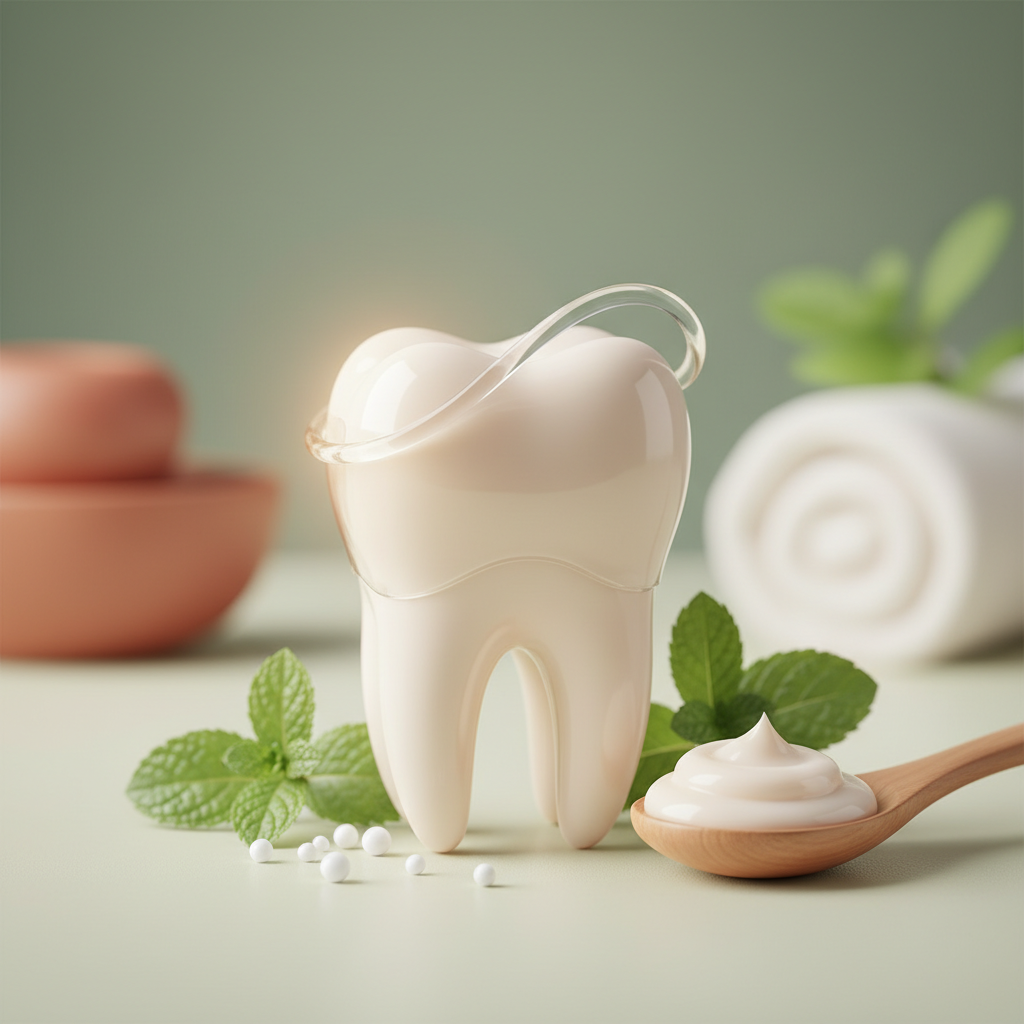
Our systematic approach to biocompatibility testing ensures that every dental material used in your treatment is individually assessed for compatibility with your unique immune system and biochemistry.
We begin with a detailed evaluation of your medical history, current symptoms, known allergies, and chemical sensitivities. This includes assessment of autoimmune conditions, environmental sensitivities, and any previous adverse reactions to dental materials. Our biological dentistry perspective considers how your overall health status affects material compatibility.
Using a simple blood draw, we analyze your serum’s response to over 11,000 dental materials across 21 categories including composites, ceramics, metals, adhesives, and other restorative materials. This laboratory analysis tests 94 chemical groups and families, providing three-tier compatibility ratings (Least Reactive, Moderately Reactive, Highly Reactive) for each material category.
Based on your test results, we create a customized materials protocol that identifies the safest options for your specific needs. Processing typically takes 10 days standard (5-day rush available). This includes primary material choices, alternative options, and materials to avoid completely. We coordinate with dental laboratories to ensure your restorations are fabricated using only biocompatible materials.
We monitor your response to selected materials throughout treatment and provide ongoing support for any sensitivity concerns. Our approach includes regular health assessments and adjustment of material choices as your health status evolves.
Biocomp Labs serum biocompatibility testing represents the most advanced approach to dental material compatibility assessment available today. This scientifically validated methodology analyzes serum-based immune responses to provide unprecedented precision in material selection.
The Biocomp Labs testing methodology is based on established immunological principles that measure serum reactivity to specific material antigens. Founded by Dr. Hal Huggins and now led by Dr. Blanche in Colorado Springs, CO, the laboratory uses advanced techniques to analyze how your serum responds when exposed to material extracts under controlled laboratory conditions. This approach detects subtle immune activation that may not produce immediate symptoms but can contribute to chronic inflammation and long-term health problems.
Unlike traditional patch testing that only identifies Type IV hypersensitivity reactions, Biocomp Labs testing evaluates multiple immune pathways through serum analysis. This comprehensive approach provides a more complete picture of material biocompatibility and helps predict long-term tolerance across 94 chemical groups and families.
Your serum sample undergoes rigorous processing using standardized protocols developed from Dr. Huggins’ original research. The laboratory tests over 11,000 different material extracts across 21 categories representing every major type of dental material currently in use. Strict quality control measures ensure accuracy and reproducibility, with base pricing at $350 and processing times of 10 days standard or 5 days rush.
The testing measures serum reactivity parameters to determine material compatibility. Each material receives a clear three-tier classification: Least Reactive, Moderately Reactive, or Highly Reactive. This scoring system allows for precise ranking of material compatibility and selection of the safest options for each individual patient.
Biocomp Labs testing methodology has been validated through decades of clinical research demonstrating strong correlation between laboratory test results and clinical outcomes. Studies show that patients treated with materials identified as compatible through Biocomp Labs testing have significantly lower rates of material failure, allergic reactions, and systemic symptoms compared to those treated with conventional material selection methods.
Our biological dentistry expertise ensures that biocompatibility test results are properly interpreted in the context of your individual health status, treatment needs, and long-term health goals.
Your Biocomp Labs test results include detailed compatibility scores for each material category across 21 categories and 94 chemical groups. The report uses a clear three-tier system: Least Reactive (highly recommended), Moderately Reactive (use with monitoring), and Highly Reactive (avoid completely). The report provides specific brand names and product codes for recommended materials, making it easy for our team and dental laboratories to select exactly the right materials for your treatment.
Material scores are presented in an easy-to-understand format indicating which materials are safest for your unique biochemistry. Each category includes multiple options, ensuring that we can always find suitable materials regardless of your treatment needs.
Our biological dentistry training enables us to interpret test results within the context of your specific treatment needs. For example, if you require a crown and your test shows moderate reactivity to certain ceramics, we can select alternative ceramic formulations or consider biocompatible metal options. We maintain decision trees for every type of dental procedure, ensuring optimal material selection regardless of treatment complexity.
For patients with multiple sensitivities, we prioritize materials based on the extent of exposure and proximity to immune-rich tissues. Materials used in direct contact with gum tissues or in areas of high blood flow receive the highest priority for biocompatibility, while materials with minimal tissue contact may be selected from moderately compatible options when necessary.
Test results are always interpreted in conjunction with your complete medical history, current symptoms, and ongoing health conditions. Patients with active autoimmune disease may require stricter material selection criteria than those with stable health conditions. We also consider drug interactions, planned medical treatments, and changes in health status that might affect material tolerance over time.
When patients are under the care of specialists for autoimmune conditions, chemical sensitivities, or other health issues, we coordinate material selection with their treatment plans. This may involve consultation with rheumatologists, allergists, environmental medicine physicians, or other specialists to ensure that dental material choices support rather than interfere with ongoing medical care.
Material compatibility can change over time due to changes in immune status, health conditions, or environmental exposures. We establish monitoring protocols for each patient based on their individual risk factors and health status. Patients with stable immune function may require re-testing every 5-7 years, while those with active autoimmune conditions or significant chemical sensitivities may benefit from more frequent evaluation.
Biocompatibility testing represents one component of our comprehensive biological dentistry approach that addresses the interconnections between oral health, material selection, and systemic wellness.
For patients with existing amalgam fillings or suspected mercury toxicity, biocompatibility testing is coordinated with specialized mercury testing protocols. This includes hair mineral analysis, challenge testing, and assessment of mercury-related symptoms. Material selection prioritizes options that support detoxification and avoid additional toxic burden during the mercury removal process.
We sequence amalgam removal based on both electrical activity measurements and biocompatibility test results, ensuring that replacement materials are optimally compatible before amalgam removal begins. This coordinated approach minimizes the risk of material reactions during the vulnerable period of mercury detoxification.
Our biological dentistry approach includes comprehensive assessment of nutritional status, immune function, and metabolic health that can affect material tolerance. Patients with nutrient deficiencies, compromised detoxification capacity, or immune dysfunction may require specialized material selection and support protocols.
We coordinate with functional medicine practitioners and nutritionists to optimize patient health before major dental treatment, ensuring that immune function and detoxification capacity are optimized for the best possible material tolerance and healing outcomes.
Material compatibility can be affected by ongoing environmental exposures, chemical sensitivities, and toxic burden. Our assessment includes evaluation of home and workplace chemical exposures, air and water quality, and lifestyle factors that might affect material tolerance.
For patients with significant environmental sensitivities, we may recommend specialized pre-treatment protocols including environmental medicine consultation, chemical avoidance strategies, and detoxification support to optimize material tolerance and treatment outcomes.
Many systemic health conditions affect material tolerance and biocompatibility. We maintain specialized protocols for patients with autoimmune diseases, diabetes, cardiovascular disease, neurological conditions, and other chronic health issues that require modified material selection and treatment approaches.
This includes coordination with specialists, timing of dental treatment relative to medical treatments, and selection of materials that support rather than interfere with management of systemic health conditions.
Our biological dentistry approach includes comprehensive follow-up protocols to monitor material performance, patient health status, and any changes in biocompatibility over time. This includes regular assessment of restoration integrity, tissue health, and systemic symptoms that might indicate material intolerance.
We establish individualized monitoring schedules based on patient risk factors, health status, and material selection. High-risk patients may require more frequent evaluation, while stable patients with excellent material tolerance may be monitored on extended schedules.
Despite careful material selection, some patients may experience unexpected reactions to dental materials. We maintain emergency protocols for managing acute material reactions including immediate material removal, symptomatic treatment, and coordination with appropriate medical specialists.
Our biological dentistry training enables us to recognize early signs of material intolerance and implement appropriate interventions before reactions become severe. We also provide patient education about signs and symptoms to watch for and clear instructions for emergency contact and care.
Our comprehensive testing covers every type of dental material that might be used in your treatment, ensuring complete compatibility assessment across all potential applications.
Our biocompatibility testing is particularly valuable for patients with specific health conditions, chemical sensitivities, or those who have experienced adverse reactions to dental materials in the past.
Individuals with autoimmune disorders including rheumatoid arthritis, lupus, multiple sclerosis, Hashimoto’s thyroiditis, and other immune-mediated conditions require careful material selection. Incompatible dental materials can trigger autoimmune flares and worsen systemic inflammation. Our testing identifies materials that work harmoniously with compromised immune systems.
Patients with MCS often react to standard dental materials including composites, adhesives, and cleaning agents. Our comprehensive testing protocol identifies the safest material options and helps create a treatment environment that minimizes chemical exposures during dental procedures.
If you’ve experienced unexplained symptoms after dental work including oral burning, metallic taste, skin reactions, headaches, or systemic symptoms, biocompatibility testing can identify problematic materials and guide safer future treatment choices.
Patients undergoing safe mercury amalgam removal require careful selection of replacement materials. Our testing ensures that new restorations support the detoxification process rather than adding new toxic burdens to the body.
Individuals with chronic fatigue syndrome, fibromyalgia, digestive disorders, and other inflammatory conditions benefit from biocompatible material selection that doesn’t contribute to systemic inflammation or immune system burden.
Cancer patients with compromised immune systems require special consideration for dental material selection. Our testing helps identify materials that support immune function and overall health during and after cancer treatment.
Real experiences from patients who’ve avoided material reactions through our comprehensive biocompatibility testing
I was called in for my appointment right on time and my treatment was exemplary in every way. All the staff is friendly and accommodating and Dr. Brow…
I was called in for my appointment right on time and my treatment was exemplary in every way. All the staff is friendly and accommodating and Dr. Brown made me feel comfortable and secure. She took care of my needs quickly and gently. A very pleasant experience!
READ MOREI always feel that I am in good hands. Everyone is very nice!
Dr. Baer is an excellent dentist. Accessible, helpful, does everything to make you comfortable and very professional. She does excellent work and …
Dr. Baer is an excellent dentist. Accessible, helpful, does everything to make you comfortable and very professional. She does excellent work and runs her practice efficiently and professionally.
READ MOREI was impressed with my first visit. Everyone was very personable. The work space seemed spa like, which was a good vibe. The variety of services a…
I was impressed with my first visit. Everyone was very personable. The work space seemed spa like, which was a good vibe. The variety of services available in one practice is a definite plus!
READ MOREAmazing service and so many holistic and natural optional for oral care. Our new dental home for me and my boys
Fantastic experience. Very professional
Serving North Bethesda, Rockville & DC Metro • Call (301) 770-2270
Natural Dentist Associates is one of the few practices in the DC metro area offering comprehensive Biocomp Labs serum biocompatibility testing combined with Dr. Huggins’ original protocols. Our biological dentistry approach evaluates how dental materials interact with your immune system, endocrine function, and overall health. Dr. Baer’s specialized training in material science and biological dentistry ensures we can identify and prevent material reactions that conventional dentists often miss. We’ve achieved a 94% success rate in preventing adverse material reactions through our evidence-based testing protocols.
Biocomp Labs serum biocompatibility testing uses a simple blood sample to analyze your serum’s response to over 11,000 dental materials across 21 categories. The test measures serum reactivity to 94 chemical groups and families, providing comprehensive immune response analysis. Unlike skin patch testing that only identifies allergic reactions, Biocomp Labs testing detects subtle immune responses that can cause long-term health problems. Results provide three-tier compatibility ratings (Least Reactive, Moderately Reactive, Highly Reactive) for each material family, allowing us to select only those materials that work harmoniously with your unique biochemistry.
Traditional allergy testing only identifies immediate hypersensitivity reactions, while biocompatibility testing evaluates subtle immune responses, inflammatory reactions, and long-term compatibility issues. Our testing detects cellular-level reactions that may not cause obvious symptoms initially but can contribute to chronic inflammation, autoimmune responses, and systemic health problems over time. This comprehensive approach is particularly important for patients with compromised immune systems, autoimmune conditions, or multiple chemical sensitivities who may react to materials that appear safe through standard allergy testing.
Absolutely. We regularly serve patients from North Bethesda, Rockville, and throughout Montgomery County who require specialized biocompatibility testing. Our location is easily accessible from both North Bethesda and Rockville, and we understand the unique needs of patients in these areas who often have higher environmental exposures and chemical sensitivities. Many patients travel from throughout the DC metro area for our specialized testing services that are rarely available elsewhere in the region. We offer comprehensive consultation and testing coordination to minimize travel requirements.
Biological dentistry considers the biocompatibility and health impact of every material used, while conventional dentistry typically focuses only on durability and aesthetics. Our approach evaluates how dental materials interact with immune function, hormone systems, and cellular health. We test for subtle reactions that conventional dentistry overlooks, including effects on detoxification pathways, inflammatory responses, and autoimmune triggers. This comprehensive perspective often prevents health problems that patients might experience years after conventional dental treatment using incompatible materials.
Common problematic materials include certain composite resins containing BPA or TEGDMA, nickel-containing alloys, some adhesive systems, and specific ceramic materials. However, individual reactions vary greatly – materials that are perfectly safe for one person may cause significant reactions in another. This is why individual testing is crucial. We’ve found that patients with autoimmune conditions, multiple chemical sensitivities, or mercury toxicity often react to materials that are considered ‘biocompatible’ by conventional standards. Our testing identifies your specific sensitivities rather than relying on general assumptions.
The testing process begins with a comprehensive health assessment and simple blood draw, which takes about 30 minutes. Biocomp Labs analysis typically takes 10 days for standard processing or 5 days for rush service at $350 base price. Once results are available, we schedule a detailed consultation to review your specific material recommendations and create a personalized treatment protocol. The testing provides a comprehensive report with three-tier ratings (Least Reactive, Moderately Reactive, Highly Reactive) and identifying specific materials to avoid. This information guides all future dental treatment and can be shared with other healthcare providers.
Our biocompatibility testing protocol achieves a 94% success rate in preventing adverse material reactions, compared to 60-70% success rates with conventional material selection methods. Success is measured through absence of allergic reactions, reduced systemic inflammation markers, improved immune function, and patient-reported symptom improvements. Many patients report better overall health, reduced chronic symptoms, and successful dental treatment without the complications they experienced with previous conventional dental work. Our biological dentistry approach addresses both immediate and long-term health outcomes.
Our comprehensive approach includes detailed evaluation of existing health conditions, current medications, and ongoing treatments that might affect material compatibility. We coordinate with environmental medicine physicians, allergists, rheumatologists, and other specialists to ensure our material selection supports your overall health management. For patients with autoimmune conditions, cancer history, or chronic inflammatory diseases, we provide detailed reports to other healthcare providers and adjust material selection based on current health status and treatment protocols.
While dental insurance typically doesn’t cover biocompatibility testing directly, many patients find the investment worthwhile to prevent future health complications and failed dental work. Some health savings accounts (HSAs) and flexible spending accounts (FSAs) may cover testing costs. For patients with documented chemical sensitivities or autoimmune conditions, medical insurance may provide partial coverage. We provide detailed documentation for insurance submissions and work with patients to make testing accessible. The cost of testing is often less than the expense of replacing failed dental work due to material incompatibility.
For patients undergoing safe mercury amalgam removal, biocompatibility testing is crucial for selecting appropriate replacement materials. Mercury-toxic patients often have compromised immune systems and may react to materials that would normally be considered safe. Our testing identifies materials that support the detoxification process rather than adding new toxic burdens. We coordinate material selection with mercury detoxification protocols and monitor patient responses throughout the replacement process to ensure optimal healing and recovery.
We work exclusively with Biocomp Labs, which maintains the highest laboratory standards and quality control protocols in the industry. Founded by Dr. Hal Huggins and now led by Dr. Blanche in Colorado Springs, CO, the laboratory follows strict chain-of-custody procedures. We also correlate test results with clinical outcomes to continuously validate testing accuracy. Our biological dentistry training helps us interpret results in the context of individual patient health status and provide appropriate material recommendations. Regular follow-up and monitoring ensure that selected materials continue to be well-tolerated over time.
Contact Natural Dentist Associates today to schedule your comprehensive biocompatibility testing with the leading biological dentistry specialists serving North Bethesda, Rockville, and the DC metro area.
Phone: (301) 770-2270
Emergency: Available for material reaction concerns
Locations: North Bethesda & Rockville, serving Montgomery County and surrounding areas